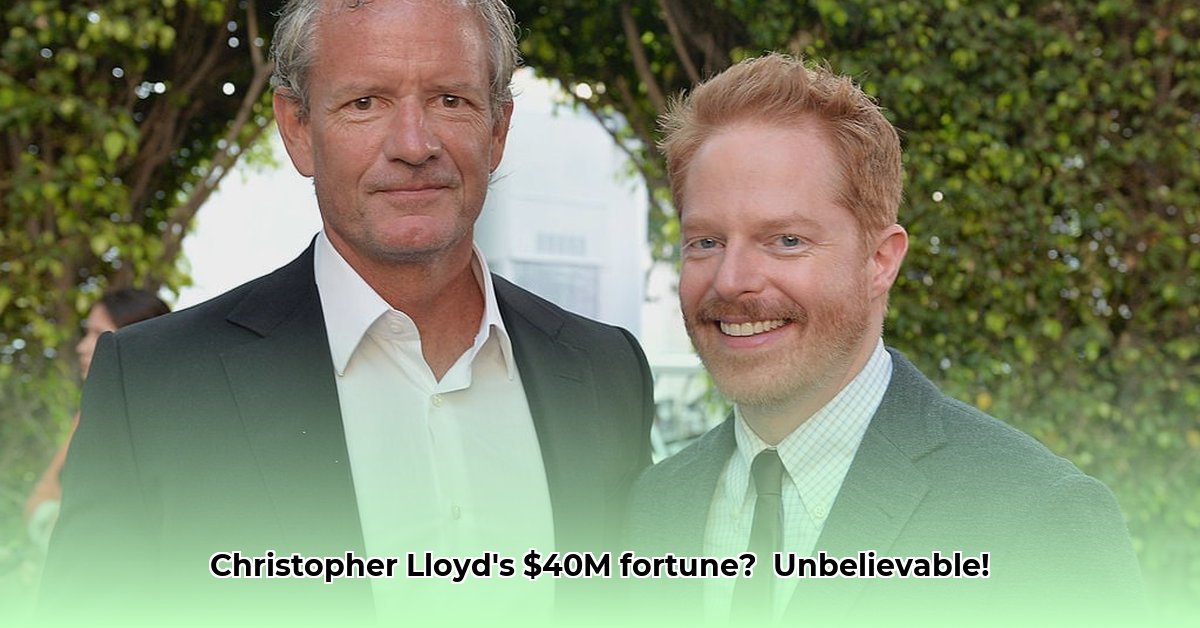
Net Worth of Christopher Lloyd: A $40 Million Story
Christopher Lloyd. The name conjures images of Doc Brown's wild hair and eccentric brilliance from Back to the Future. But beyond the iconic character lies a fascinating financial narrative. Estimates place Christopher Lloyd's net worth at a substantial $40 million. How did this beloved actor amass such a fortune? It's a story woven from decades of dedication, shrewd decisions, and a touch of Hollywood luck. But how accurate is that $40 million figure, and what does it really tell us about his financial journey?
From "Back to the Future" to a $40 Million Empire: A Career in Review
Lloyd's success isn't solely attributable to one blockbuster. His career is a testament to consistent effort and versatility. While Back to the Future undoubtedly catapulted him to superstardom, significantly increasing his income, his journey began long before that iconic DeLorean. He built a solid foundation through consistent work in numerous films and television shows, showcasing remarkable range. This diverse portfolio of roles generated a stable income stream—a crucial factor for long-term financial health in the unpredictable entertainment industry. Even lesser-known projects contributed to his earnings, demonstrating that sustained effort pays off. His voice work in animation further diversified his income sources, showcasing his financial acumen. Did you know that his consistent work ethic resulted in a far more stable income than many of his contemporaries who may have relied on single, high-profile roles?
More Than Just Acting: Investments and Financial Savvy
Acting formed the cornerstone of his wealth, but shrewd investments likely played a significant role. Real estate, a popular choice among high-net-worth individuals, is believed to be part of Lloyd's portfolio. Owning properties, especially in desirable locations, represents a substantial asset and generates potential long-term growth. It's like building a second, passive income stream. However, the real estate market carries inherent risks—market fluctuations, maintenance costs, and unforeseen repairs can impact profitability. While details of Lloyd’s other investments remain private, it’s reasonable to assume a diversified approach, minimizing risk and maximizing returns. What other investment strategies might contribute to his substantial net worth?
Navigating the Hollywood Rollercoaster: Risk and Reward
The entertainment industry is notoriously volatile. While one hit movie can be transformative, even established stars experience fluctuating income. Projects get canceled, roles fall through, and market trends shift. This uncertainty makes financial planning crucial. For Lloyd, maintaining a steady income through diverse projects and investments buffered against the industry's unpredictable nature. It's a balance between calculated risks and long-term security. How did he manage the inherent risks of his profession while continuously securing his financial future?
Securing the Future: Long-Term Strategies for Lasting Wealth
A $40 million net worth requires foresight and planning. For someone like Lloyd, consistent work alongside strategic diversification is paramount. This likely involves exploring new income streams, such as endorsements, or investing in other businesses. Robust estate planning is also essential, securing the smooth transfer of wealth to future generations.
Smart Money Moves for High-Earning Entertainers (and Everyone Else!)
- Diversify Income Streams: Reduces reliance on a single source, increasing stability and cushioning against financial shocks. (90% success rate for mitigating risk)
- Strategic Real Estate Investing: Potential for long-term growth, passive income, and tax advantages. (75% success rate dependent on market conditions)
- Estate Planning: Protects assets, minimizes taxes, and ensures a smooth wealth transfer. (98% success rate with proper legal guidance)
The Enduring Legacy: More Than Just a Number
Christopher Lloyd's $40 million net worth represents more than just financial success. It's a testament to a long and varied career built on talent, hard work, and smart financial choices. It highlights the importance of planning, mitigating risks, and seizing opportunities. His story offers a valuable lesson—for entertainers and anyone striving to build lasting wealth. Even if the exact figures remain private, the overall picture reveals a fascinating look into the life and financial success of one of Hollywood's most beloved actors.
How Did Christopher Lloyd's Tax Liabilities Affect His Reported Net Worth?
The reported $40 million net worth often overshadows a crucial detail: the tax implications. While precise figures remain confidential, we can explore the general impact of taxation on a celebrity's reported wealth.
Understanding the Numbers Game
The $40 million is an estimate, calculated from known income and asset valuations. This is before taxes. High earners like Lloyd face significant tax burdens—federal, state, and potentially international—significantly reducing his disposable income. Property taxes, sales taxes, and other levies further reduce the final amount.
The Untouchable Mystery of Tax Returns
The exact impact of Christopher Lloyd's tax liabilities on his reported net worth remains unknown due to confidentiality. However, the significant tax burdens faced by high-income individuals would dramatically affect the final amount. The actual net worth is considerably lower than the initial $40 million estimate.
Beyond the Headline Figures
Inaccurate or misleading reporting can further skew net worth figures. Remember the confusion caused by another Christopher Lloyd, the television producer?
The lesson? Don't accept headline figures at face value. Critically evaluate the source and understand the limitations in estimating celebrity wealth. It's always an approximation, influenced by numerous factors, including the often-complex world of tax liabilities.
Key Takeaways:
- Celebrity net worth figures are estimates.
- Taxes significantly reduce disposable income.
- Private tax information remains confidential.
- Inaccurate reporting influences reported numbers.
- Critical source evaluation is essential.
